- What Is Ozone and Why Is It a Problem Indoors?
- Common Indoor Sources of Ozone
- Indoor vs. Outdoor Ozone: The Key Difference
- Health Effects: What Ozone Does to Your Body
- Can Ozone Actually Be Removed?
- Why HEPA Filters Won't Help
- Activated Carbon: How It Destroys Ozone
- How Effective Is Carbon Filtration?
- Natural Methods to Reduce Ozone
- Purifiers to Avoid
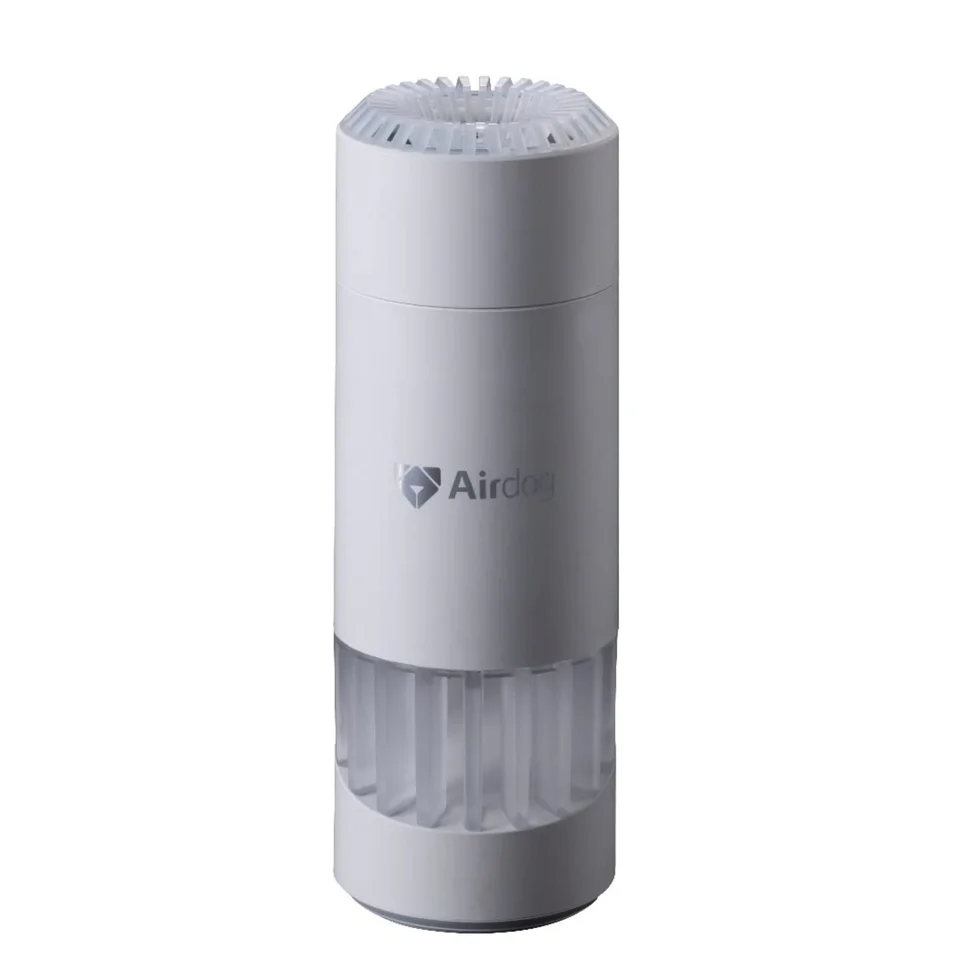
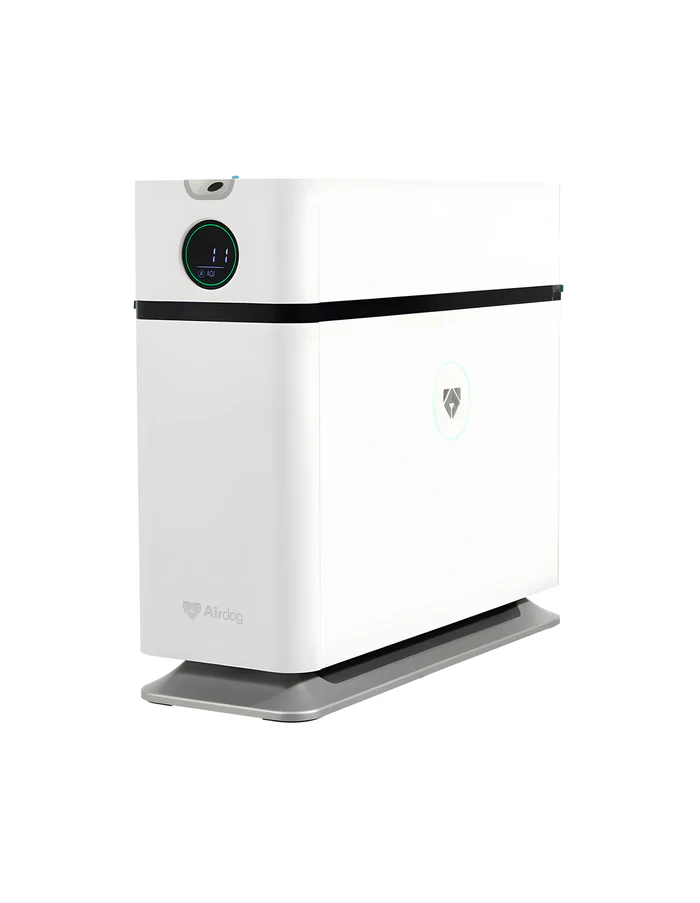
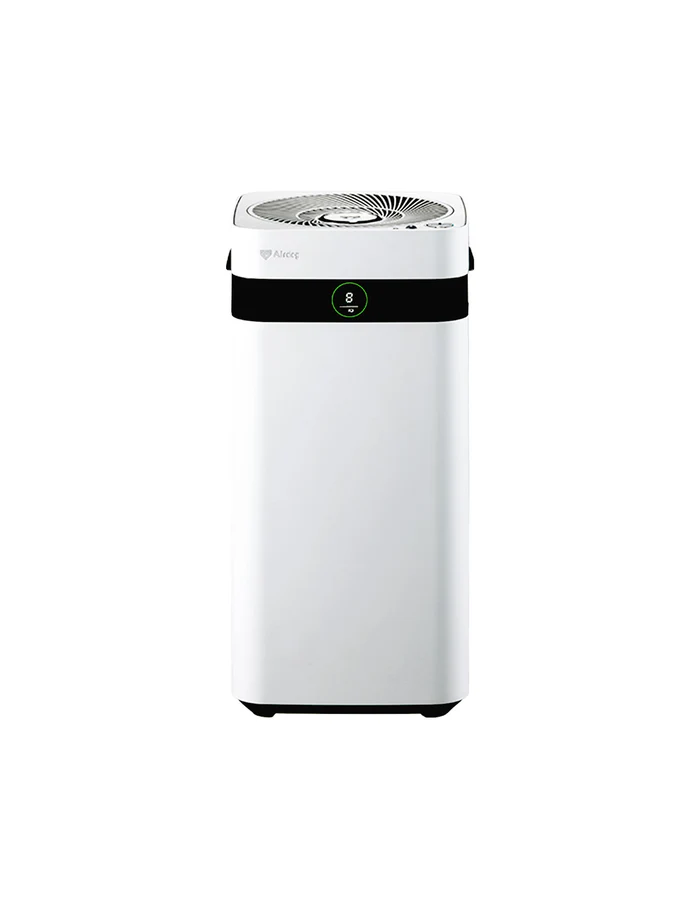
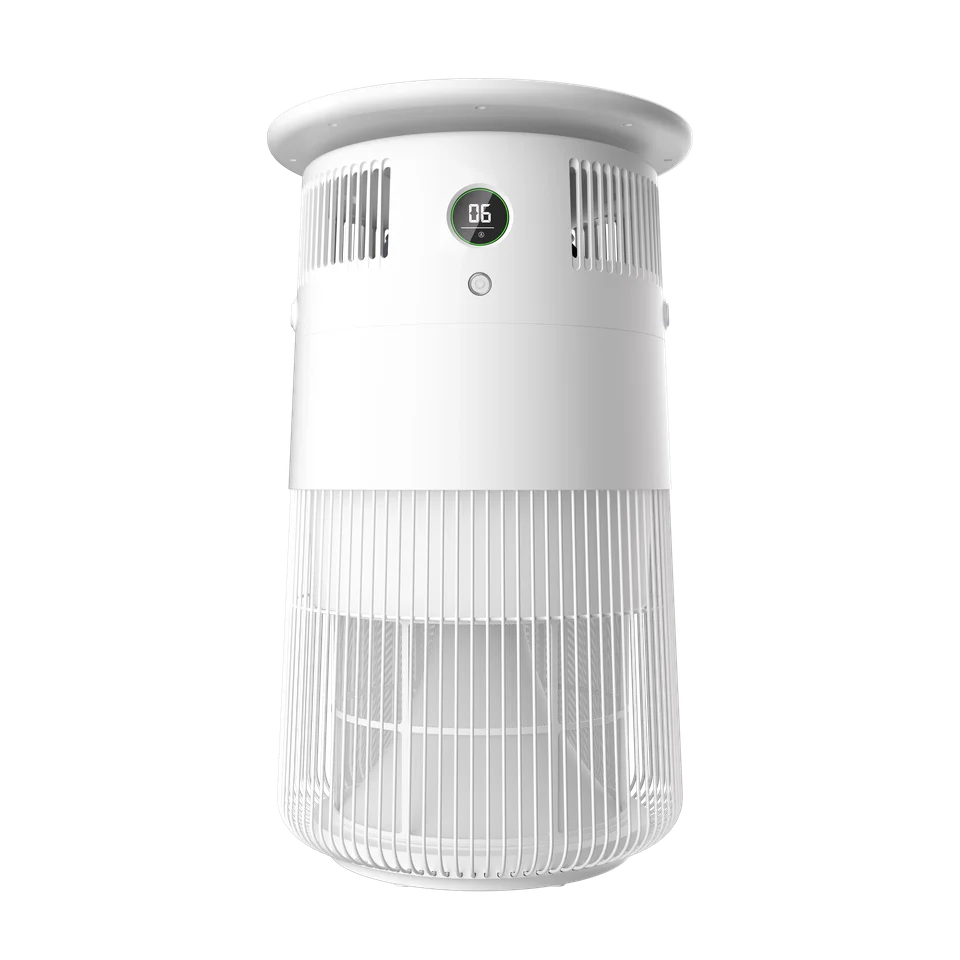
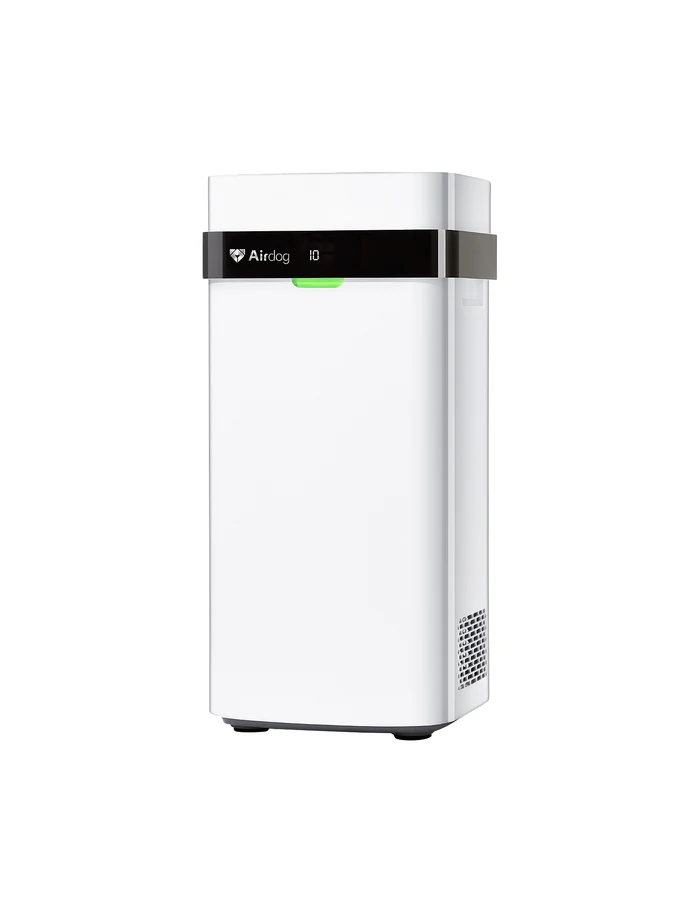
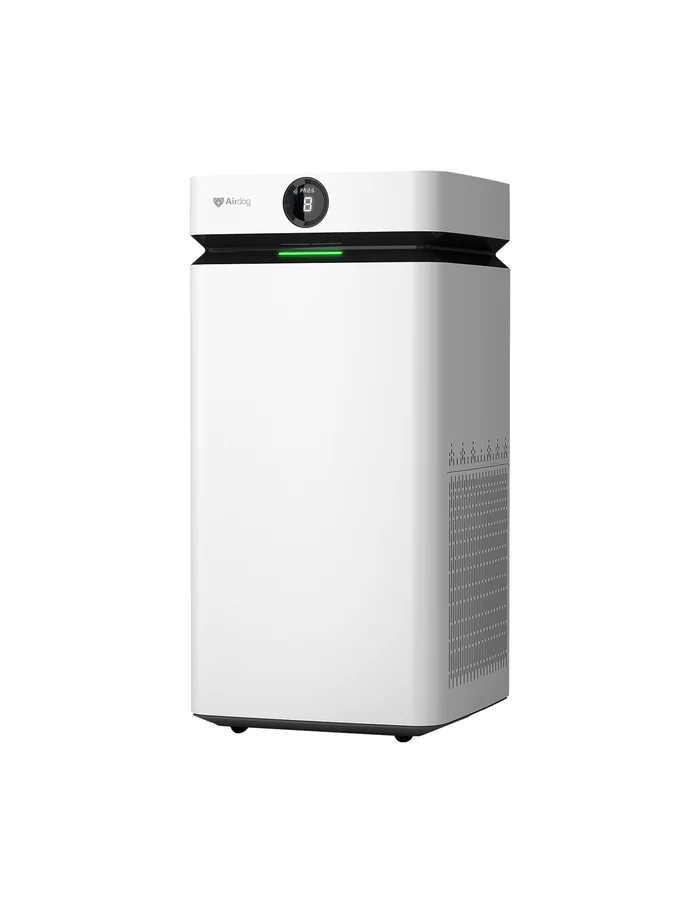
- The Airdog Advantage: Safe, Minimal Ozone Levels
- Final Tips for Safer Indoor Air
What Is Ozone and Why Is It a Problem Indoors?
Ozone — written as O₃ — is a molecule made of three oxygen atoms. That extra third atom is the troublemaker. Unstable and highly reactive, it desperately wants to bind with something else, and in your lungs, eyes, or throat, that something else is you.
In the upper atmosphere, ozone's reactivity is a feature: it absorbs harmful UV radiation before it reaches Earth's surface. But at ground level — and especially indoors — that same reactivity makes it a serious respiratory irritant.
The problem indoors is one of containment. Outside, ozone is diluted by vast volumes of air and naturally broken down by sunlight and wind. Indoors, it accumulates. Appliances and electronics silently generate it, and without proper filtration, it has nowhere to go except into your respiratory system.
Even at levels below the US EPA threshold (0.07 ppm), ozone can cause measurable lung function reduction in sensitive individuals. Children, the elderly, and people with asthma or allergies are especially vulnerable.
Common Indoor Sources of Ozone
You might be surprised to learn how many household devices contribute to your indoor ozone levels. Many of them are marketed as health and wellness products.
Ionizing Air Purifiers
Devices that use ionization or electrostatic processes to charge particles often emit ozone as a byproduct. Some "ozone generators" actively market the ozone as a feature.
UV Light Devices
UV-C sterilizers, facial steamers with UV, and germicidal lamps can produce ozone when UV radiation interacts with oxygen molecules in the air.
Laser Printers & Copiers
The high-voltage corona wire in laser printers creates electrical discharges that split O₂ into individual oxygen atoms — which then combine to form O₃.
Certain Cleaning Products
Some sprays, especially those containing reactive chemicals like hydrogen peroxide or certain fragrances, can produce ozone precursors that react in air.
Old or Faulty Wiring
Electrical discharges from aging wiring, loose connections, or sparking motors (like old fans) can generate localized ozone near the source.
Outdoor Air Infiltration
During hot, sunny days — especially in Metro Manila — outdoor ozone levels rise and enter through open windows, compounding indoor sources.
What makes indoor ozone especially insidious is that these sources are often running continuously — a printer in the office, an ionizer left on all night, a UV sterilizer in the bathroom. Without ventilation or proper filtration, concentrations steadily build.
Indoor vs. Outdoor Ozone: The Key Difference
It seems counterintuitive: outdoor air is often considered "dirty," while indoor air feels safer. But when it comes to ozone, the opposite is frequently true.
Illustrative values based on published IAQ research. Actual levels vary by room size, ventilation, and device usage.
Outdoor ozone benefits from natural mechanisms of dispersal and breakdown — UV from sunlight, wind dilution, and interaction with vegetation. Indoors, none of those mechanisms exist. If your HVAC system lacks appropriate filtration, it simply recirculates the ozone throughout your space, distributing the problem instead of solving it.
Health Effects: What Ozone Does to Your Body
Ozone doesn't discriminate — it reacts with whatever biological tissue it encounters. When inhaled, it triggers a cascade of damaging chemical reactions in your airways that worsen the longer and more frequently you're exposed.
Short-Term Effects
Long-Term Effects
Chronic low-level ozone exposure has been linked to permanent lung damage, impaired immune system function, and — in severe cases — increased risk of developing respiratory conditions. Research from multiple institutions has shown measurable reductions in lung capacity in people living in chronically high-ozone environments.
Beyond physical health, elevated ozone concentrations impact cognitive function and sleep quality. If you've ever felt foggy or exhausted after spending time in an office with a busy laser printer or a humming ionizer, ozone may be part of the explanation.
Can Ozone Actually Be Removed?
Yes — but not with just any air cleaning method. This is where many well-intentioned air purifier buyers go wrong.
Ozone is a gas. It behaves completely differently from particulate pollutants like dust, pollen, or PM2.5. Removing a gas from air requires chemical interaction — not mechanical filtration. You need a system specifically engineered for gas-phase pollutant removal.
The good news: Ozone is chemically unstable, which means it's relatively easy to neutralize compared to stable compounds like VOCs. The right filter material can convert it back into harmless oxygen — but you have to choose the right filter type.
Why HEPA Filters Won't Help
HEPA filters are exceptional at what they do — capturing airborne particles as small as 0.3 microns with 99.97% efficiency. That includes dust, pollen, pet dander, smoke particles, and many bacteria. But ozone is not a particle.
An ozone molecule (O₃) is approximately 0.0004 micrometers in diameter — roughly 750 times smaller than the finest particle a HEPA filter is rated to capture. It passes through the filter medium completely unimpeded.
This is an important point: combining a HEPA filter with an ionizer (as some purifiers do) can actually worsen your ozone situation. The HEPA component handles particles, but the ionizer component generates ozone — and the filter does nothing to stop it.
Activated Carbon: How It Destroys Ozone
Activated carbon is the most effective and widely proven material for ozone removal. Its secret lies in its extraordinary surface area — a single gram of activated carbon can have an internal surface area of up to 3,000 square meters, the size of a football pitch.
This massive surface area, riddled with microscopic pores, creates countless points of contact where ozone molecules can interact with the carbon and be neutralized.
Air Passes Through the Carbon Bed
Polluted indoor air — carrying O₃ molecules — flows through a dense bed of activated carbon granules. The longer the air spends in contact with carbon, the more ozone is removed.
Ozone Adsorbs onto the Carbon Surface
Ozone molecules are drawn into the carbon's pore structure and adsorb (bind) to the carbon surface. The unstable third oxygen atom is especially attracted to reactive sites on the carbon.
The Third Oxygen Atom Detaches
The bond holding the reactive third oxygen atom snaps. The carbon catalyzes the decomposition of O₃ into simpler, more stable forms.
Safe O₂ Is Released Back into the Room
The two remaining oxygen atoms recombine to form O₂ — ordinary, breathable oxygen. Clean air exits the purifier, free of ozone.
What Is Activated Carbon Made From?
Activated carbon is typically derived from natural materials like coconut shells, wood, or even coffee grounds. These materials are heated to very high temperatures in a low-oxygen environment — a process called "activation" — which creates the intricate pore network responsible for its extraordinary adsorptive capacity.
The quality of the carbon matters enormously. Higher-grade activated carbon with tighter pore structures and more reactive sites outperforms cheaper alternatives in both ozone removal speed and total capacity. This is why not all "carbon filters" perform equally.
How Effective Is Carbon Filtration?
Extremely effective — and by a significant margin over every alternative. Studies from National Taiwan University and multiple peer-reviewed journals confirm that activated carbon is the gold standard for ozone removal indoors, achieving up to 90% ozone reduction in a single pass. No other passive method comes close.
To put that in perspective: indoor plants absorb a negligible fraction of ozone. HEPA filters remove essentially none. Activated carbon removes up to 9 in every 10 ozone molecules from the air passing through it — and it works around the clock, regardless of weather or time of day.
The performance gap is stark. When activated carbon is the clear leader, the question shifts from whether to use it to how to get the most out of it. Three factors determine how well your carbon filter performs:
- Carbon quality — premium coconut-shell or wood-based activated carbon has more reactive pore sites than low-grade alternatives, translating directly to higher removal rates
- Contact time — the longer air dwells inside the carbon bed, the more ozone is neutralised; purifiers with slower, deeper carbon stages outperform those with thin, fast-pass filters
- Filter freshness — a saturated carbon filter loses effectiveness; replacing it on schedule keeps removal rates at their peak
Bottom line: If ozone removal is your goal, activated carbon is not just a good option — it is the only reliable one. Every other passive method (plants, coffee grounds, HEPA) delivers negligible results at best. A quality carbon-stage purifier works continuously, silently, and decisively — no variables, no compromises.
Natural Methods to Reduce Indoor Ozone
While nothing beats engineered carbon filtration, natural methods can help reduce background ozone levels — particularly useful when combined with a proper purifier.
Ventilation
Open windows and run exhaust fans to exchange indoor air with outdoor air. Most effective in the early morning when outdoor ozone levels are lowest. Avoid during hot, sunny afternoons when outdoor ozone peaks.
Indoor Plants
Some plant species absorb small amounts of ozone through their leaf stomata. Spider plants, peace lilies, and snake plants show modest ozone absorption — helpful as a supplement, not a solution.
Spent Coffee Grounds
Dried coffee grounds placed in bowls around the room provide some ozone adsorption due to their organic pore structure. A clever low-cost supplement — but far less effective than proper carbon filtration.
Bake-Out Method
Heat the space to accelerate ozone decomposition, then ventilate heavily. Used in industrial settings and newly renovated spaces to rapidly purge airborne contaminants. Not practical for daily use.
Natural methods work at the margins. They cannot substitute for proper filtration in spaces with active ozone sources. Relying on plants or coffee grounds alone while running an ionizing purifier will not protect your health.
Purifiers to Avoid — and What to Look For Instead
The air purifier market is flooded with devices that actively worsen your ozone situation. Recognizing them is the first step to protecting your home.
-
Ozone Generators Marketed as "air fresheners" or mold killers — these intentionally flood rooms with ozone. Dangerous and ineffective as air purifiers.
-
Ionizers Without Carbon Charge particles for easier capture but emit ozone as a byproduct, with no mechanism to neutralize it.
-
UV-Only Purifiers UV-C light can kill bacteria, but many UV purifiers produce ozone when light interacts with oxygen molecules — especially older designs.
-
Electrostatic Precipitators (without carbon) The high-voltage collection mechanism can produce small amounts of ozone. Look for models with an integrated carbon stage.
What to Look For
- Ozone output certified below CARB's <0.050 ppm safe limit (Airdog tests at <0.015 ppm)
- Activated carbon filter stage for gas-phase contaminant removal
- No ionization or UV components that generate ozone as a byproduct
- Third-party tested ozone emission data below 0.05 ppm